MEMBER SPOTLIGHT BARBARA SCHWERIN BOHUS, MS, CCC-SLP
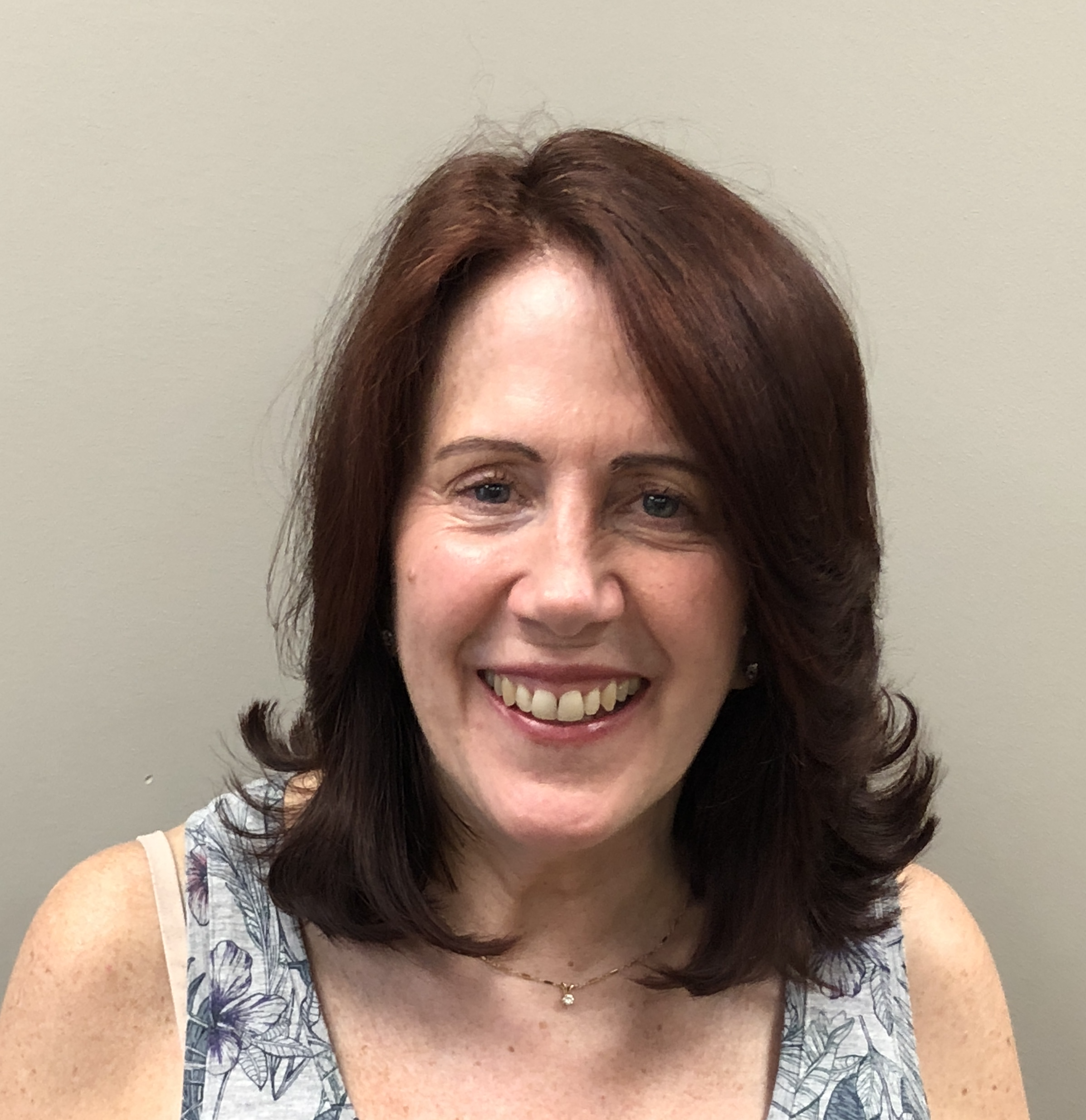 Barbara Schwerin Bohus is a highly experienced Speech-Language Pathologist (SLP) who holds a masters degree from Boston University and her undergraduate degree from Montclair State College (now University). She currently works per diem for two acute care hospitals, a home health agency, and private practice. Barbara Schwerin Bohus is a highly experienced Speech-Language Pathologist (SLP) who holds a masters degree from Boston University and her undergraduate degree from Montclair State College (now University). She currently works per diem for two acute care hospitals, a home health agency, and private practice.
Barbara’s distinguished career includes over 30 years of leadership experience as a supervisor at a large New Jersey medical center, overseeing inpatient and outpatient speech pathology services. She led program development, launched a student training program, hired and mentored staff, and collaborated across stroke and geriatric service lines. She established key clinical services, including a dysphagia therapy program and the hospital’s Modified Barium Swallow Study program, expanding advanced practice opportunities for speech pathologists. In addition to serving as an adjunct professor teaching about voice disorders, she remains actively engaged in patient care and contributes to community and professional organizations, including the Bergen County Laryngectomy Support Group and the Adler Aphasia Speech Therapy Advisory Board.
Barbara has been a dedicated member of NJSHA since her undergraduate years at Montclair State College. She has held numerous leadership roles, including having the opportunity to serve on NJSHA’s Board of Directors and as the Healthcare Committee Chairperson. She continues her current roles as Healthcare Liaison to the Legislative Committee and Chair of the Political Action Committee (PAC).
On a national level, Barbara serves as the SLP State Advocate for Medicare Policy (StAMP) for New Jersey, collaborating with Audiology StAMP representative Maryrose McInerney, Ph.D., CCC-A, DFAAA. Together, they represent New Jersey within ASHA’s advocacy networks to address reimbursement and coverage issues, as well as representing the state in matters related to federal Medicare regulations affecting speech-language pathology services. In this role, she monitors proposed and finalized Medicare rules, analyzes their impact on clinical practice and reimbursement, and communicates critical updates to NJSHA leadership and members. She also collaborates with ASHA’s national advocacy team and other state advocates to provide feedback on policy proposals and to advance equitable, sustainable Medicare policy for SLPs and the patients they serve.
Barbara also serves as a State Advocate for Reimbursement (STARs), collaborating with Dr. Christina Luna, SLP.D., CCC-SLP, where she serves as New Jersey’s ASHA-appointed State Advocate for Reimbursement (STAR), representing NJSHA in state and national reimbursement advocacy efforts. In this role, she monitors and addresses Medicare, Medicaid, and private insurance payment policies, serving as a liaison between ASHA and New Jersey clinicians to promote fair and sustainable reimbursement practices.
In her role as ASHA’s SLP State Advocate for Medicare Policy (StAMP), Barbara’s advocacy on Capitol Hill and engagement with New Jersey legislators reflect her commitment to shaping federal and state policies that directly affect Medicare coverage, scope of practice, and reimbursement for SLP services. Her leadership in developing the NJSHA White Paper on Fiberoptic Endoscopic Evaluation of Swallowing (FEES) further aligns with the StAMP charge by advancing evidence-based practice standards and supporting regulatory change that strengthens patient access and provider autonomy. Together, these efforts demonstrate how she leverages policy advocacy, clinical expertise, and collaboration with ASHA and state regulatory bodies to promote high-quality, accessible dysphagia services within the Medicare framework.
Barbara resides in Park Ridge with her husband and their dog, Colby. She has two adult daughters, both of whom are engaged to be married, with one daughter getting married this summer in Italy. In her spare time, she enjoys traveling and spending time with family and friends.
Barbara sat down with VOICES to discuss her many contributions to NJSHA, her role with ASHA, and how it benefits the profession:
Interview Questions:
1. What excites you most about your contributions to your profession?
My greatest contribution is my ability to work with and help people in a field that I have remained passionate about. Working across various healthcare settings as an SLP has been incredibly rewarding. I value the professional network and connections I’ve built through NJSHA and input from all the people that I have had the opportunity to meet, from managers to peers, and to students alike.
2. What professional accomplishment are you most excited about?
I felt energized to advocate on Capitol Hill in Washington, D.C., and to engage with New Jersey State legislators. I am also proud of the work completed on the White Paper for Fiberoptic Endoscopic Evaluation of Swallowing (FEES) with a team of consummate speech pathologists. This group of SLPs came together as a subcommittee of the NJSHA Health Care Committee. The objective was to have the New Jersey Division of Consumer Affairs, Audiology and SLP Advisory Committee permit trained speech pathologists under specific guidelines to complete the FEES without a physician on the premises. This has been established in all other states that complete this study and has been recognized as a gold standard in dysphagia assessment by the American Speech and Hearing Association.
3. Why did you join NJSHA?
I joined as a student while at Montclair State as an undergraduate student when I heard about the association. I wanted to be more involved in my profession, and NJSHA provided that opportunity. It is wonderful to meet professionals in the field who complete various types of work. Each person can be involved with NJSHA as much as they choose over the span of their career.
Barbara’s early involvement with NJSHA as an undergraduate student reflects the foundational professional engagement that ultimately supports her effectiveness as ASHA’s SLP State Advocate for Medicare Policy (StAMP). Through long-standing participation in the association, she developed a broad understanding of diverse practice settings, reimbursement challenges, and the real-world impact of Medicare policy across the continuum of care. That sustained engagement within NJSHA has strengthened her ability as StAMP to represent the voices of New Jersey SLPs, translate federal Medicare updates into meaningful guidance, and advocate for policies that protect both clinicians and the patients they serve.
4. What is your advice to other professionals on why they should join NJSHA?
NJSHA is a solid investment as your primary advocate in New Jersey, particularly on critical issues such as state legislation, scope of practice, and reimbursement policies that directly affect every practicing SLP and audiologist. Through collaboration with ASHA and active participation in advocacy networks such as STAR, StAMP, and other state initiatives, NJSHA ensures that our professions remain visible, protected, and appropriately reimbursed. Whether members choose to be highly engaged and involved or simply stay informed, joining NJSHA allows them to take part in advocacy at the level that fits their career stage and availability—while collectively strengthening the voice of our professions and safeguarding patient access to services.
5. How do you suggest others can get (more) involved in NJSHA?
Visit the NJSHA website to find committees that interest you. I recommend attending an online committee info session or a scheduled committee meeting to listen to and learn about this group within our community. We are a welcoming group and are always happy to chat with prospective members.
6. Who is your "NJSHA Hero" and why?
I would like to recognize Robynne Kratchman for her exemplary leadership and longstanding service to NJSHA. She has served the Association in numerous capacities and consistently demonstrates professionalism, integrity, and a genuine commitment to supporting members across all practice settings. Her leadership as President during the unprecedented challenges of the COVID-19 pandemic was steady, strategic, and deeply reassuring to the membership.
I have had the privilege of collaborating with her on several committees and have witnessed firsthand her inclusive leadership style. She empowers members to engage at the level that aligns with their interests and capacity, fostering leadership development without micromanagement and creating space for individuals to contribute in ways that reflect their own strengths and professional identities.
7. Do you have a greatest "NJSHA moment"? If so, what was it?
I received the Volunteer of the Year award in the early 2000s for creating an educational video about insurance coverage issues, which I truly shared with the Healthcare Committee members. A subcommittee from the Healthcare Committee created a dialogue for a video using children as narrators regarding insurance coverage issues. I then created a video based on the dialogue which was very well received and fun to do.
8. What is the next challenge you would like to undertake, both professionally and with NJSHA?
My primary focus continues to be my service as New Jersey’s ASHA-appointed StAMP and STAR representative, working collaboratively with two outstanding colleagues to advance reimbursement and Medicare policy advocacy for our professions. In addition, I serve as Legislative Liaison to Healthcare, Early Intervention, and Private Practice, where I help monitor and respond to state-level regulatory and policy developments impacting clinicians and the patients we serve. I am also proud to contribute to the Political Action Committee (PAC), supporting efforts to strengthen advocacy initiatives and advance the legislative priorities of speech-language pathology and audiology in New Jersey.
It is important to emphasize that the New Jersey StAMP plays a critical role in monitoring and addressing Medicare reimbursement issues, regulatory updates, and coverage determinations that affect speech-language pathology and audiology services across the full continuum of care—from outpatient rehabilitation and private practice settings to skilled nursing facilities, hospitals, and home health agencies. The StAMP serves as a direct advocate for our state at the federal level, ensuring that the clinical realities and reimbursement concerns of New Jersey providers—and the access needs of our patients—are represented in national Medicare policy discussions.
Maryrose and I participate in a monthly national call led by Sarah Warren, Director of Health Care Policy, Medicare at ASHA, alongside StAMP representatives from across the country. These meetings provide a forum to review proposed and finalized federal regulations, identify emerging national trends, and coordinate advocacy strategies to address policy changes that may impact service delivery and reimbursement. In turn, we are responsible for disseminating timely, accurate information to New Jersey SLPs and audiologists through NJSHA, ensuring that clinicians understand both current requirements and prospective changes that may affect their practice.
For members, this means receiving practical guidance on issues ranging from accurate CPT and diagnostic coding, documentation compliance, and billing procedures, to broader advocacy strategies such as communicating effectively with legislators about reimbursement concerns. Medicare policy frequently sets precedent for Medicaid and private insurers; these developments ultimately influence reimbursement structures and regulatory expectations across all payer sources. Through NJSHA’s platform, we are able to translate complex federal policy into actionable information that protects providers, sustains practices, and safeguards patient access to medically necessary services.
If you are experiencing issues with Medicare reimbursement, please reach out to NJSHA via email at [email protected]. We share this data with ASHA to help shape future legislation and support all New Jersey-based audiologists and SLPs.
|